
Understanding Rococo: More Than Just "Shabby Chic
Updated: Sep 23, 2024
R O C O C O = L O V E
Well... maybe not in the dictionary but in JVD it does.

# Understanding Rococo: More Than Just "Shabby Chic"
In the world of design, it’s crucial to accurately represent styles and their rich histories. Recently, I’ve noticed an alarming trend where the Rococo style is often referred to as "Shabby Chic." Let’s set the record straight: Rococo is far from shabby and deserves to be appreciated for its true artistry.
### What is Rococo?
Rococo, also known as "Late Baroque," emerged in the 18th century as a pivotal movement in European art and design. It was a period defined by exuberance and ornate detail, standing as the final expression of the Baroque movement. Rococo art encompasses not just furniture but also paintings, sculptures, and interior decor that were often created for royal families and the elite.
### A Distinct Artistry
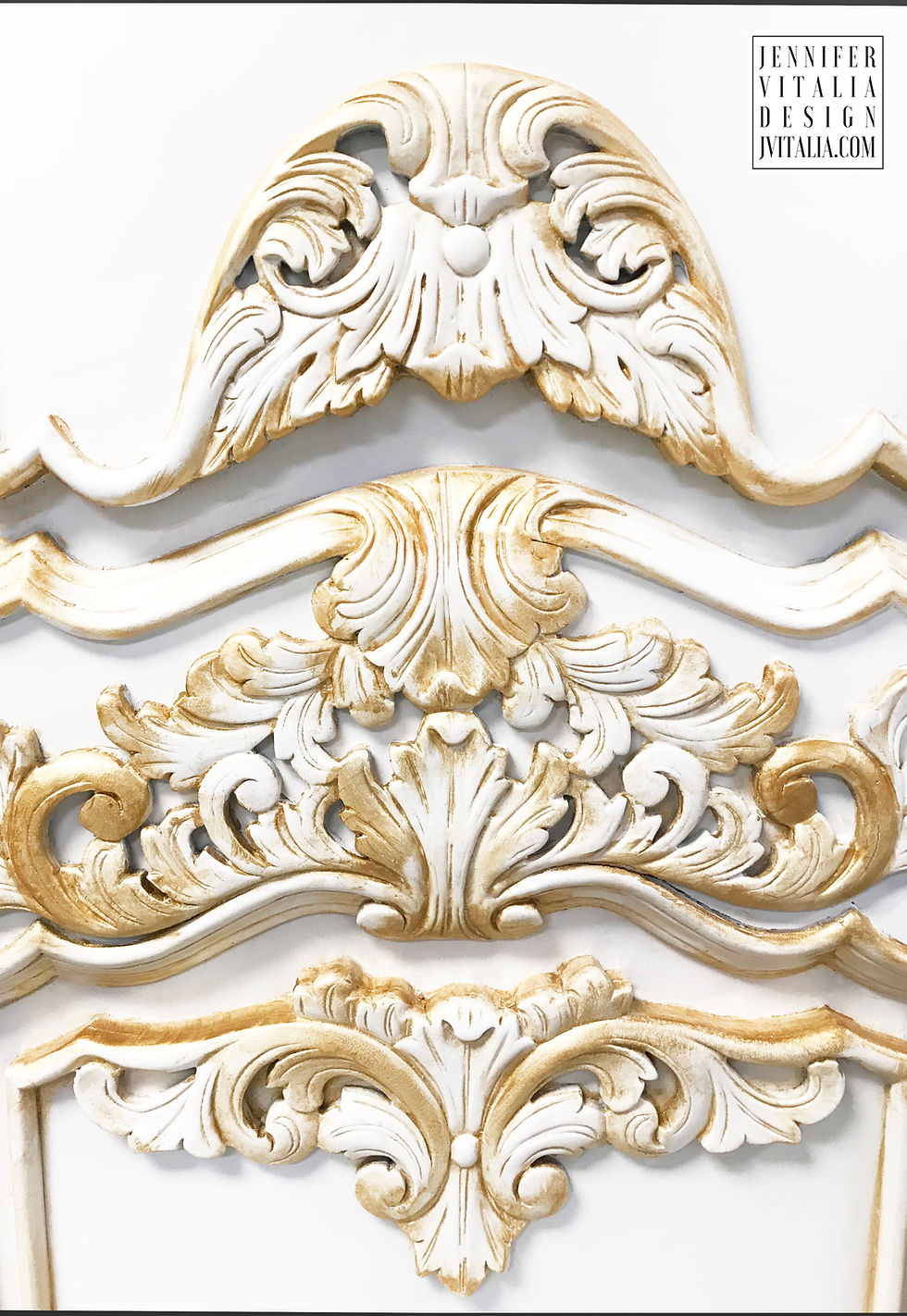
Rococo is characterized by its intricate ornamentation, asymmetry, fluid curves, and the lavish use of white and pastel colors paired with gilding. This style draws the eye in multiple directions, creating a sense of movement and drama in a space. The ornamentation dominates architectural designs and furniture, making it not just a decorative style but a statement of opulence and sophistication.
### A Historical Perspective
The Rococo style was a significant turning point in European art, reflecting a shift towards a more playful and ornate aesthetic. Famous artists and artisans dedicated countless hours to perfecting their craft, creating masterpieces that still inspire admiration today. It’s likely that these visionaries would be dismayed to see their work being associated with a term that implies neglect or a lack of appreciation.
### The Importance of Respect
When we refer to Rococo as "Shabby Chic," we diminish its historical significance and artistic value. This beautiful style deserves recognition for its craftsmanship and the cultural context in which it flourished. Furthermore, using hobby-grade paints to replicate or alter Rococo pieces is a disservice to the original artistry. Rococo furniture and decor should be treated with the reverence they deserve, honoring the time and skill invested in their creation.
### A Diverse Legacy
Rococo is not monolithic; it spans various cultures, including French, Italian, British, German, and even Asian interpretations. Each region added its unique flair while adhering to the core principles of Rococo, resulting in a rich tapestry of design that continues to influence contemporary styles.
### Conclusion
In summary, let’s celebrate the Rococo style for what it truly is: an extravagant and detailed expression of artistic talent and cultural history. It’s time to move beyond casual mislabels and approach this magnificent style with the respect and appreciation it rightly deserves. Embrace the beauty of Rococo and recognize the legacy it carries forward into the modern world of art and design.

Look at all this detail, just amazing. Example of Rococo Interiors -Oval Salon of the Hôtel de Soubise in Paris (1735-40)
The Rococo Style: A Flourish of Elegance in 18th Century Europe
The Rococo style of architecture and decoration originated in France during the early 18th century, specifically during the reign of Louis XV. This movement emerged as a reaction against the more formal and geometric aesthetics of the preceding Louis XIV style. Initially known as the style rocaille, Rococo quickly spread across Europe, influencing regions such as Bavaria, Austria, Germany, and Russia. Its impact extended beyond architecture, permeating various other art forms, including painting, sculpture, literature, music, and theatre.
Rococo interiors were designed as cohesive masterpieces, integrating architecture with furniture, sculpture, ornamental mirrors, and tapestries. Each element complemented the others, creating a harmonious environment that exuded elegance and luxury. The intricate details, soft curves, and playful motifs characteristic of Rococo design made it a hallmark of opulence in European art history.
French Rococo specifically emerged in Paris around 1723 and thrived until approximately 1759. This style became especially prominent in salons—newly designed rooms meant to impress and entertain guests. The salons were a social hub, where art and culture flourished. A prime example of this is the salon of the Princess in the Hôtel de Soubise, designed by Germain Boffrand and Charles-Joseph Natoire. This space epitomizes the Rococo spirit with its exquisite detailing and inviting atmosphere.
Rococo has now cemented its place as a major period in the evolution of European art. Its whimsical aesthetics and focus on beauty continue to inspire contemporary designers and artists. As we look back on this vibrant movement, we appreciate its ability to blend artistry and functionality, creating spaces that resonate with grace and charm.
Whether in the form of lavish salons or intricately decorated furniture, the Rococo style remains a testament to the creativity and innovation of the 18th century, reminding us of the importance of beauty in our surroundings.

Juste-Aurele MeissonierNicolas Pineau The characteristics of French Rococo included exceptional artistry, especially in the complex frames made for mirrors and paintings, which sculpted in plaster and often gilded; and the use of vegetal forms (vines, leaves, flowers) intertwined in complex designs. The furniture also featured sinuous curves and vegetal designs.
Between 1680 and 1750 a large number of important palaces and chateaux were constructed in Germany and Austria, as well as abbeys, built by religious orders, which were intended as pilgrimage destinations and were sumptuously decorated. These became the grand showcases of the Baroque movement. They were frequently built by Italian craftsmen, or those who had been trained in Italy. The best known French furniture designer of the period was Juste-Aurèle Meissonnier (1695-1750), who was also a sculptor, painter. and goldsmith for the royal household. He held the title of official designer to the Chamber and Cabinet of Louis XV. His work is well known today because of the enormous number of engravings made of his work.which popularized the style throughout Europe. designed works for the royal families of Poland and Portugal.Italy was another place where the Rococo flourished, both in its early and later phases. Craftsmen in Rome, Milan and Venice all produced lavishly decorated furniture and decorative items.

(Image: Queen Margrethe inside Amalienborg Palace)
Amalienborg Palace is a must for anyone with a taste for royal history and the life of Denmark’s royal family who still resides inside the palace.

Current Interior of Princess Mary & Prince Frederik's Banquet Hall in the Amalienborg Palace.

Image: Christian VII's Palace. Traveling? You can actually view the palace
I hope this post has helped clarify the beauty and significance of Rococo style. It’s time we all agree to stop referring to it as "shabby." There’s so much to learn and appreciate about Rococo, and this is just the beginning. I encourage you to take the time to explore this fascinating style further. Visit museums, enroll in an art history course, and I promise you, it will transform the way you perceive art and design.
Understanding Value
If you come across paintings, furniture, or sculptures from the Rococo period, it’s essential to have them appraised by a certified and licensed antique appraisal company. I recommend obtaining evaluations from at least three different companies. Please don’t rely on advice from anyone who isn’t certified or licensed; the integrity of art deserves that level of respect.
Celebrating Rococo in Furniture
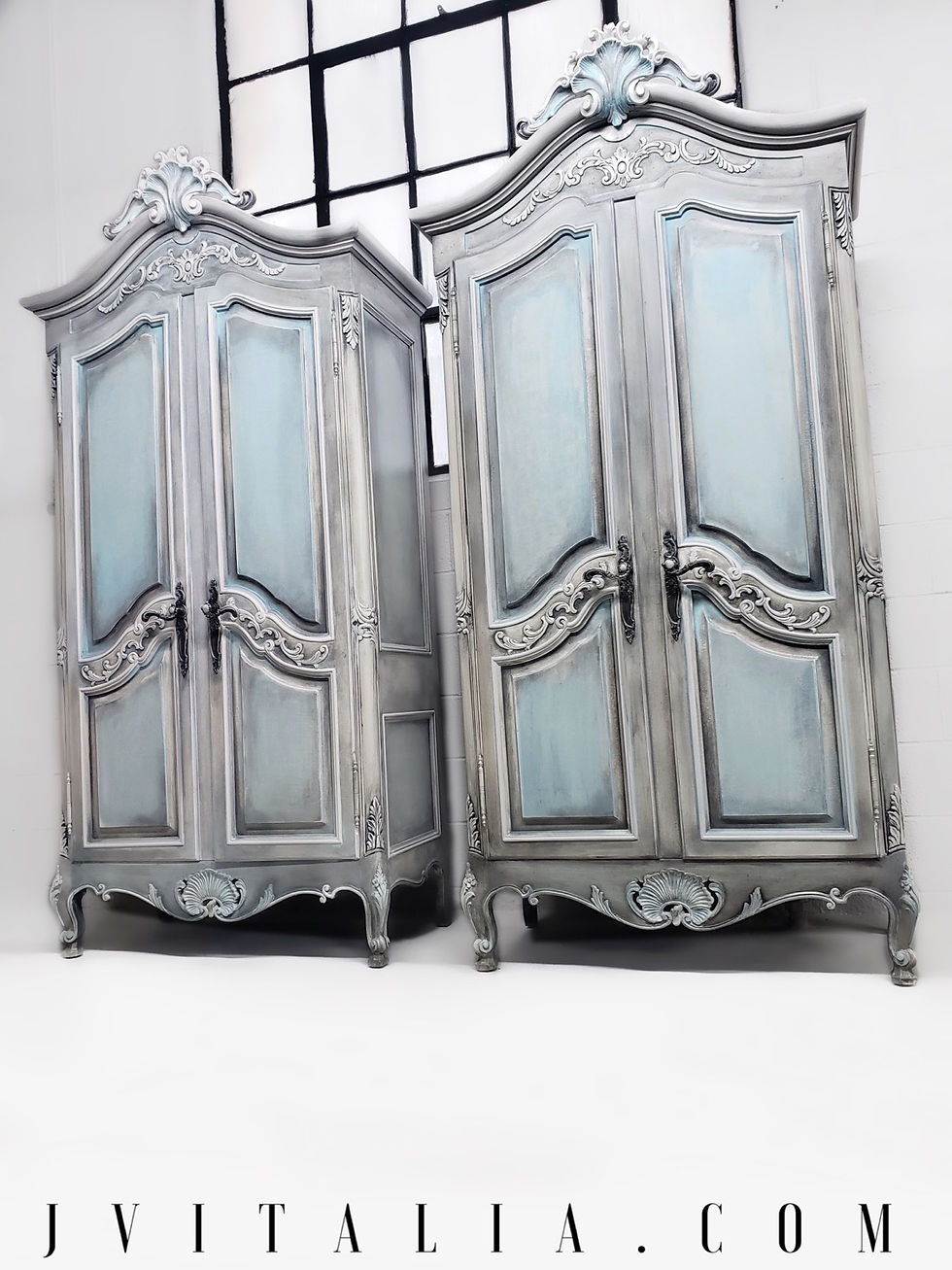
Below, you’ll find a selection of pieces JVD has crafted in the furniture category, reflecting the elegance and intricate detail characteristic of Rococo design. Each piece embodies the spirit of this remarkable style and serves as a testament to the artistry of its time.



Want to bring some "French" into your space on a budget? Here are a few accents pieces easily interchangeable with the seasons.




Comments